
The Hidden Link: How Sleep Apnea Affects Your Oral Health
Blog:The Hidden Link: How Sleep Apnea Affects Your Oral Health
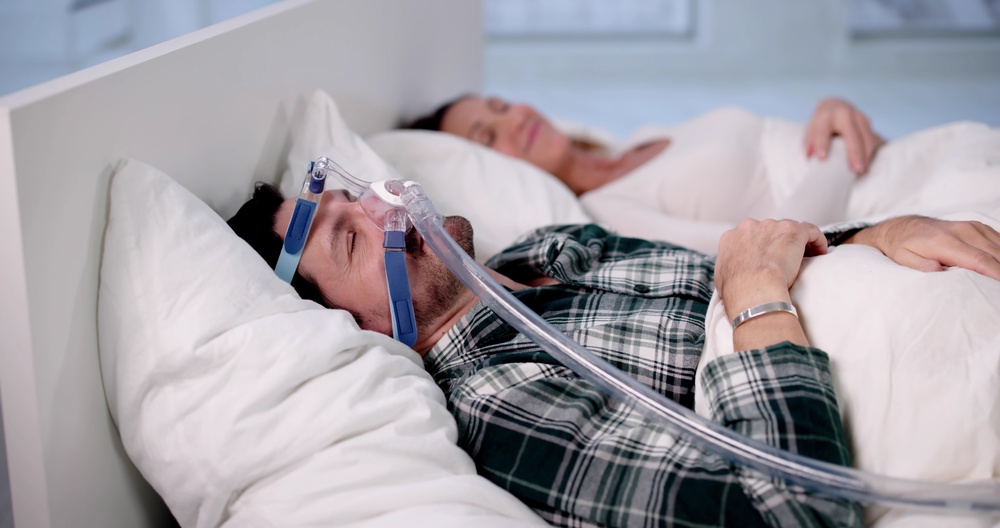
If your airway gets blocked at night, you start breathing through your mouth. While this keeps you breathing, it can cause other problems. Mouth breathing dries up saliva, which normally protects your mouth by washing away food and neutralizing acids. Without enough saliva, your mouth is more likely to have problems.
Why Dry Mouth Matters
Sleep apnea often makes you breathe through your mouth for hours each night. Over time, this dries out the soft tissues in your mouth. You might wake up with a lingering dry feeling. That ongoing dryness does more than just feel uncomfortable all day long. It actually makes your mouth more prone to cavities, gum problems, and infections.
The Grinding Connection
If you have sleep apnea, you might be grinding your teeth at night and have no clue. This habit, called sleep bruxism, is surprisingly common among OSA sufferers. Grinding at night puts pressure on your teeth and jaws. It wears down enamel, making teeth shorter and more sensitive over time. Often, people only find out they grind their teeth when a dentist sees the damage.
Jaw Joint Troubles
That grinding habit does not stop at your teeth. It travels straight to the small hinges linking your jaw to your skull. Constant clenching puts more strain on them than you might think. This can cause pain, popping sounds, or trouble opening your mouth wide. Some people develop jaw joint disorders if sleep apnea is not treated.
Gum Disease Risks
Studies show there is a strong link between sleep apnea and serious gum disease. Inflammation from apnea can worsen gum problems. Every time you stop breathing in your sleep, your oxygen takes a dip. This happens repeatedly throughout the night without you knowing. This causes inflammation throughout your body, including your gums. Ongoing inflammation can quickly damage gum tissue and the bone underneath.
Changes Inside Your Mouth
Over time, sleep apnea can change the shape of your mouth. Breathing through your mouth affects where your tongue rests at night. Your tongue might sit lower and press on different spots. This can slowly change how your teeth line up and the shape of your dental arches. Some people even develop a narrow, high-arched roof of the mouth from years of mouth breathing.
Taste Changes You Might Notice
Some people with apnea report that food tastes different than before. Chronic inflammation and dryness can directly affect your taste buds. The nerves carrying taste signals may also be affected by low oxygen levels. You might find flavors seem duller or less satisfying. Others notice that specific tastes, like salt, are harder to detect.
What the Dentists Look for
Your dentist may be the first to notice signs of sleep apnea. They can spot changes in your mouth before a doctor makes a diagnosis. Worn teeth from grinding are a big warning sign during checkups. Redness or irritation from dry mouth is another clue. A scalloped tongue with teeth marks is something dentists often see.
Working Together for Better Health
You get the best results when your dentist and doctor team up on your apnea care. Dentists can fit you with an oral device that keeps your airway open at night. It works by holding your jaw just right so everything stays clear while you sleep. Your dentist will keep an eye on your teeth to make sure nothing shifts. Those regular checkups ensure the device continues to help without causing new problems.
For more on how sleep apnea can affect your oral health, visit Allison Avenue Dental. Our office is in La Mesa, California. Call (619) 597-2600 to schedule an appointment today.
https://pmc.ncbi.nlm.nih.gov/articles/PMC11274061/
Helpful Articles
article_category: products
article_category: psychiatry
article_category: faqs
article_category: cats
article_category: general
article_category: services
article_category: technology
article_category: dogs
article_category: restorative
article_category: vision therapy
article_category: contact lenses
article_category: health
article_category: conditions
article_category: eye surgery co-management
article_category: exotic
article_category: cosmetic
article_category: surgical procedures
article_category: aesthetics
article_category: preventative
article_category: ocular disease management
article_category: eyeglasses
article_category: eye health
article_category: large animal
[]
article_category: psychiatry
article_category: faqs
article_category: cats
article_category: general
article_category: services
article_category: technology
article_category: dogs
article_category: restorative
article_category: vision therapy
article_category: contact lenses
article_category: health
article_category: conditions
article_category: eye surgery co-management
article_category: exotic
article_category: cosmetic
article_category: surgical procedures
article_category: aesthetics
article_category: preventative
article_category: ocular disease management
article_category: eyeglasses
article_category: eye health
article_category: large animal
[]
Flowbite is an open-source library of interactive components built on top of Tailwind CSS including buttons, dropdowns, modals, navbars, and more.
Check out this guide to learn how to get started and start developing websites even faster with components on top of Tailwind CSS.
All Dental Services
We offer a wide variety of dental services to the La Mesa community. Contact us with any questions about our services.
Keep In Touch
For non-urgent questions or to learn more about our services, contact us today!



Contact Info
Office Hours
- Monday 8:00am - 5:00pm
- Tuesday 8:00am - 5:00pm
- Wednesday 8:00am - 5:00pm
- Thursday 8:00am - 5:00pm
- Friday 8:00am - 1:00pm
- Saturday Closed
- Sunday Closed
- Monday
- Tuesday
- Wednesday
- Thursday
- Friday
- Saturday
- Sunday
- Monday
- Tuesday
- Wednesday
- Thursday
- Friday
- Saturday
- Sunday
© 2026 Allison Avenue Dental. All rights Reserved - Accessibility Statement - Privacy Policy - Sitemap
Managed and Designed by 